
"natural sundried"
500 article(s) found

Ethiopia coffee production area profile Ethiopia West Dharma
Harar/Sundried/Dry-Processed Harar is located in the Eastern Highlands of Ethiopia (Haredge Province) and grows at an altitude of 5,000 - 7,000 feet. It was still wild on hillsides a century ago. Most raw beans are medium in size and pointed at both ends. The color is green with yellow or gold. When baked, it has a strong chocolate smell.

Brief introduction of main producing areas of Ethiopian Coffee
Hara (Harar) / Solar or dried (Sundried/Dry-Processed) Hara is located in the Eastern Highlands of Ethiopia (Harerge Province) and grows between 5000 and 7000 feet above sea level. It was still wild on slopes a century ago. Most of the raw beans are medium size and have long tips at both ends, with a yellowish or golden green color and strong chocolate when baking.
A brief introduction to the main producing areas of delicious Ethiopian coffee
Hara (Harar) / Solar or dried (Sundried/Dry-Processed) Hara is located in the Eastern Highlands of Ethiopia (Harerge Province) and grows between 5000 and 7000 feet above sea level. It was still wild on slopes a century ago. Most of the raw beans are medium size and have long tips at both ends, with a yellowish or golden green color and strong chocolate when baking.
A brief introduction to the main producing areas of coffee beans in Ethiopia
Hara (Harar) / Solar or dried (Sundried/Dry-Processed) Hara is located in the Eastern Highlands of Ethiopia (Harerge Province) and grows between 5000 and 7000 feet above sea level. It was still wild on slopes a century ago. Most of the raw beans are medium size and have long tips at both ends, with a yellowish or golden green color and strong chocolate when baking.

Brief introduction of main producing areas of Sidamo Coffee Bean
Following caf é (Wechat official account vdailycom) found that Beautiful Cafe opened a small shop of its own Sidamo Coffee Bean production area profile: Hara (Harar) / Solar or dried (Sundried/Dry-Processed) Hara is located in the Eastern Highlands of Ethiopia (Harerge Province) and grows between 5000 and 7000 feet above sea level. It was still wild on the slopes and raw beans a century ago.
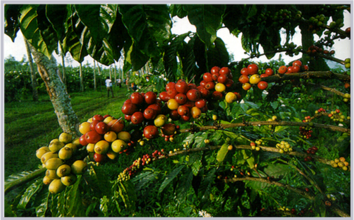
World Coffee Estate: Finca Loma La Gloria La Gloria. About the Manor
Finca Loma La Gloria Manor Bean Seed: Red Bourbon De Agustin Processing: REPOSADOWASHEDSUNDRY Dry Fermentation Washing Natural Drying Cup Cupping Chocolate, red apple, nice body and aftertaste, bold El Vola

El Finca Loma La Gloria La Gloria. About us
Finca Loma La Gloria Manor Bean Seed: Red Bourbon De Agustin Processing: REPOSADOWASHEDSUNDRY Dry Fermentation Washing Natural Drying Cup Cupping Chocolate, red apple, nice body and aftertaste, bold El Vola
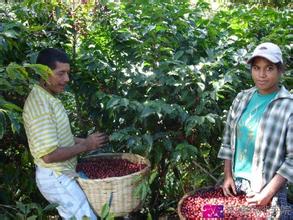
World Coffee Manor El Finca Loma La Gloria La Gloria. Introduction to the manor
Manor: Finca Loma La Gloria Raglory. Manor beans: red bourbon De Agustin de Augustine treatment: REPOSADOWASHEDSUNDRY dry fermentation washing natural drying cup test Cupping: red apple, chocolate, excellent round taste and aftertaste Chocolate, red apple, nice body andaftertaste, bold El Vola

Washed-naturally dried Salvadoran coffee flavor introduced to Mercedes Village in the Santa Ana Volcano region
1 Anny Ruth introduces the manor LOMA LAGLORIA; 2, the production, treatment and cultivation of Salvadoran coffee; 3, red bourbon cup test of fresh arrival LOMA LAGLORIA (washing, dry fermentation, white honey, yellow honey treatment); (participants are invited to bring their own cup tester) 4, interactive session, participants ask the manor owner questions about coffee: F

Introduction of Salvadoran Coffee Flavor producing area and Manor (Siberia Manor)
1 Ruth introduces the estate LOMA LAGLORIA; 2, the production, treatment and cultivation of Salvadoran coffee; 3, red bourbon cup test of LOMA LAGLORIA fresh to Hong Kong (washing, dry fermentation, white honey, yellow honey treatment); (participants are invited to bring their own cup tester) Manor: Finca Loma LaGloria Lagoli. Manor bean seed: red bourbon De Ag

Ethiopian coffee producing area
Following caf é (Wechat official account vdailycom) found that Beautiful Cafe opened a small shop of its own Ethiopian Coffee producing area has three well-known producing areas in Ethiopia, Harald (Harar), Yiragcheffe (Yega Xuefei) and Sidamo (Sidamo). Sidamo is located in the highlands of southern Ethiopia and adjacent to Kenya.

Ninety Plus 90 Aricha what kind of coffee is 90+Aricha in the sun Yega Sheffield
Professional coffee knowledge exchange more coffee bean information please follow the coffee workshop (Wechat official account cafe_style) Product name: Ninety Plus Aricha Aretha tanning country: Ethiopia production area: Aricha/ Yega Xuefei altitude: 1850m varieties: wild natural planting treatment method: natural sun (Natural Sundried) / Idido processing plant Ethiopia Obi

Introduction of main varieties of Finca Loma La Gloria Lagrange Manor
Following Cafe (official Wechat account vdailycom) found that Salvadoran Coffee, which opened a small shop in Beautiful Cafe, inherited the mild quality of Central American coffee, which was soft, slightly sour and sweet. At the same time, it also has its own characteristics: the aromatic taste is slightly sour and very soft; it is pure and has no miscellaneous flavor and has an excellent taste balance; it feels as smooth as cream chocolate.

Fruit bomb Aricha Special treatment of Coffee beans introduce why Aricha Coffee is called aricha
Professional coffee knowledge exchange more coffee bean information please follow the coffee workshop (Wechat official account cafe_style) Yega Xuefei Aricha, is definitely the most amazing coffee bean of the year! It changes your existing perception of coffee bean varieties, because it contains up to 23 varieties, and because it is harvested from native forests at an altitude of 1850 meters, it cannot be named as a manor.

El Salvador Coffee Manor producing area Santa Ana Volcano area-Kuskabapa region
Anny is the second generation of LOMA LA GLORIA's estate, and her father bought the estate on the volcanic slope (El Boqueron). Before 2012, Anny's father managed the estate on his own, and all the products were picked and sent to the washing station. In 2012, Anny returned to the manor and had planned to open a cafe downtown. After consideration, she began to take over the estate.

Introduction of Sidamo coffee beans growing in Ethiopia's southernmost Ethiopian plateau
Sidamo / Solar, Natural drying or washing (Sundried or Nature Dry-Processed and Washed) grows in the southernmost Ethiopian Plateau between 4600 and 7200 feet above sea level (Sidamo Province), southeast of Jima, just south of the capital, usually sweet and more popular, its annual output is about 225000bags/60kg, the bean body is smaller and greener than Longberry.

Geisha cultivation of Rosa Coffee in Malawi _ Misuku Hills original Horticultural Geisha in Missouku Village
Professional coffee knowledge exchange more coffee bean information please follow the coffee workshop (Wechat official account cafe_style) caffeine bean information: GS (Geisha Natural Sundry) Malavi geisha native species from Misuku Hills Missouri Manor small farmers in Malawi: only 5-10 per household: Africa Malawi (MALAWI) Origin: Misuku Mou
The Origin of Coffee in the World an introduction to the coffee bean producing areas in Ethiopia
Ethiopia is the hometown of Arabica coffee, and it is in the forests of Kaffa that you can see wild Arabica coffee. In Ethiopian, coffee is called Bun or Buna, and coffee beans (coffeebean) may be translated from Kaffa Bun. Arabica coffee was discovered early in the Harar area and is likely to come.

What are the characteristics and taste of Yega Erica? Flavor description? The right way to drink?
What are the characteristics and taste of Yega Erica? Flavor description? The right way to drink? Country: Ethiopia region: Aricha/ Yega Sheffield altitude: variety: wild Natural planting treatment: natural Solar (Natural Sundried) / Idido treatment Plant in Ethiopia since 2000, Ninety Plus has been looking for wild Gesha (Geisha) in Ethiopia.

Introduction to the process of harvesting, production and processing from fruit to coffee bean
Treatment method 2 washing treatment method-1 washing and separating coffee beans: put the picked fresh coffee fruit into a pool to wash, separate the ripe fruit from the leaves, sundries, immature fruit and overripe fruit floating on the surface-2 remove the peel and pulp: the washed fresh coffee fruit is put into the peeling machine to remove the peel washing treatment method-3